Last updated: April 8, 2026 · Published: April 7, 2026 · By NooBlue Science Team
I’ve spent the better part of two years researching methylene blue, testing products, and following the primary literature. This guide is the result of that work. I’ll walk you through what actually matters when choosing a methylene blue supplement, compare the leading brands head-to-head with real data, and give you enough context to make a genuinely informed decision.
Most methylene blue supplements on the market were never designed for human consumption. They started life as industrial dyes, laboratory reagents, or aquarium treatments, and somewhere along the way, someone slapped a “supplement” label on the bottle. If you’re going to put this compound in your body, the difference between pharmaceutical-grade and everything else isn’t a marketing distinction. It’s the difference between a clean, well-characterized molecule and a cocktail of heavy metal residues that accumulate in your tissues over time.
Understanding that distinction is the single most important step you can take before buying methylene blue. The research on this compound is compelling, but only when you’re actually taking what you think you’re taking.
Why Methylene Blue Quality Matters More Than You Think
Methylene blue has been around since 1876, when Heinrich Caro first synthesized it at BASF. It was the first fully synthetic drug ever used in medicine, employed as an antimalarial decades before chloroquine existed. That’s over 140 years of clinical history, which makes it one of the most well-studied compounds we have.
But here’s the problem: methylene blue is also widely used in textile manufacturing, biological staining, and aquarium fish treatment. The stuff sold for those purposes is cheap to produce because purity doesn’t matter when you’re dyeing fabric or staining cells on a slide. Industrial-grade methylene blue routinely contains zinc, lead, arsenic, cadmium, and organic impurities at levels that are irrelevant in a lab setting but genuinely dangerous when ingested regularly.
USP-grade (United States Pharmacopeia) methylene blue must meet a purity standard of 99% or higher, manufactured under GMP (Good Manufacturing Practice) conditions with documented quality controls at every step. That matters because you’re not just buying a molecule. You’re buying the entire chain of custody from synthesis to the capsule in your hand.
A 2012 study in the Annals of Emergency Medicine confirmed what toxicologists had long suspected: only pharmaceutical-grade methylene blue is appropriate for therapeutic use. The impurity profiles of lower-grade products are unpredictable and can vary batch to batch. When you’re taking something daily for months or years, even trace contaminants compound.
What to Look for When Buying Methylene Blue
The supplement market is full of vague claims and borrowed credibility. Here are the specific criteria that actually separate quality products from dressed-up industrial dye.
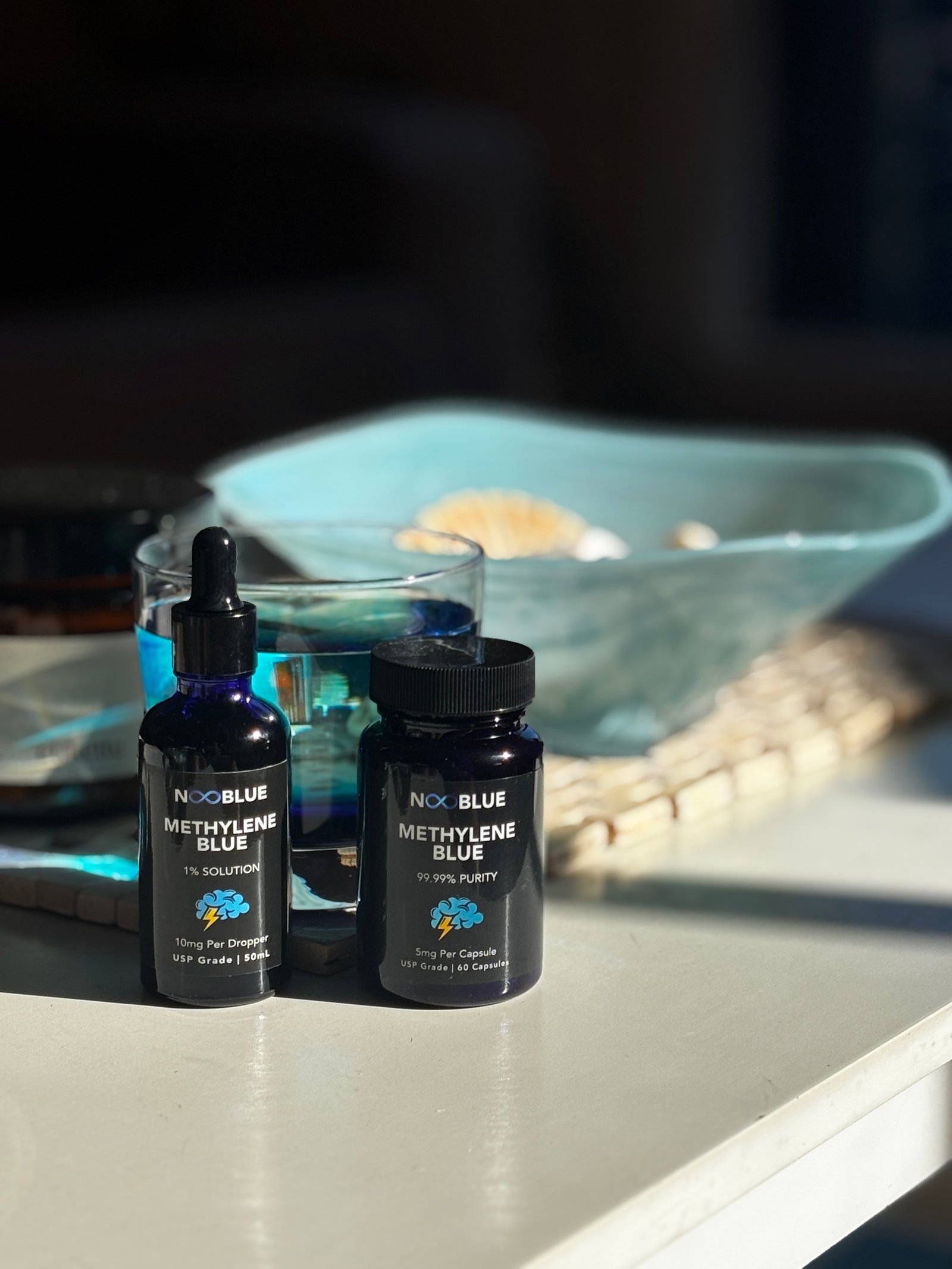
Purity and Grade
This is non-negotiable. Look for USP-grade or pharmaceutical-grade methylene blue with documented purity of 99% or higher. If a product label says “lab grade,” “reagent grade,” “chemical grade,” or “biological stain grade,” it was not manufactured for human consumption. Some sellers have gotten clever about obscuring this, using phrases like “high purity” or “premium grade” without specifying an actual standard. If they don’t explicitly state USP or pharmaceutical grade, assume it isn’t.
Third-Party Testing and Certificates of Analysis
Any serious supplement company publishes Certificates of Analysis (COAs) from independent, accredited laboratories. A COA should verify identity, potency, purity, and the absence of heavy metals (lead, arsenic, mercury, cadmium) and microbial contamination. Look for testing by recognized labs like Eurofins, NSF International, or equivalent. If a brand can’t or won’t show you their COA, that tells you everything you need to know.
Formulation Cleanliness
Check the ingredient list. A clean methylene blue supplement should contain methylene blue and the capsule shell (typically vegetarian cellulose). That’s it. Some brands pad their capsules with unnecessary flow agents, fillers, anti-caking compounds, or artificial colorants. Others add unrelated nootropic ingredients that may interact unpredictably with methylene blue. Simpler is almost always better here.
Dosage Form: Capsules vs. Liquid
Capsules deliver a pre-measured dose, typically 5mg to 10mg, with zero mess and no blue-stained teeth. They’re ideal for consistent daily micro-dosing and for anyone new to methylene blue. Liquid solutions, usually at 1% concentration (10mg per milliliter), allow flexible dosing and faster sublingual absorption but require careful measurement. Most people start with capsules and graduate to liquid once they’ve found their dose. For a detailed breakdown, see our comparison of 1% methylene blue solution vs. 5mg capsules.
Dosage Accuracy
Methylene blue follows a hormetic dose-response curve, meaning low doses produce benefits while high doses can actually impair the same processes you’re trying to enhance. Getting the dose right matters more here than with most supplements. Look for products that allow precise dosing: capsules with clearly stated per-unit content, or liquid solutions with calibrated droppers that deliver consistent volumes.
Manufacturing Standards
GMP certification means the product was manufactured in a facility with controlled, audited conditions, consistent quality checks, documented procedures, and contamination prevention protocols. Products from unregulated facilities might test fine one batch and fail the next. FDA-registered facilities add another layer of oversight. These aren’t just marketing badges. They represent the infrastructure that prevents the kind of batch-to-batch variation that makes supplement quality a gamble.
Price Per Milligram
Don’t compare bottle prices. Compare cost per milligram of active ingredient. A $30 bottle with 100mg total methylene blue is far more expensive per dose than a $50 bottle with 300mg. Budget products that cut corners on purity often end up costing more in the long run, both financially and in terms of what you’re actually putting in your body.
Red Flags to Watch For
Be cautious of products that make extravagant therapeutic claims (“cures Alzheimer’s,” “reverses aging”), brands that don’t list the grade or purity on their label, supplements sold primarily through marketplace platforms with no direct manufacturer presence, unusually low prices that suggest industrial sourcing, and any product marketed primarily for aquarium or laboratory use being repurposed as a supplement.
Best Methylene Blue Supplements Compared [2026]
I evaluated the leading methylene blue supplements based on the criteria above: grade, purity documentation, third-party testing, formulation, price, and form factor. Here’s how they stack up.
A note on fairness: Troscriptions deserves credit for pioneering buccal delivery of methylene blue. Their troche format provides excellent sublingual absorption and the Blue Cannatine stack (methylene blue + caffeine + nicotine + hemp) is genuinely innovative for users who want a combined nootropic hit. The higher per-dose cost reflects that combination formulation. CZTL offers an affordable entry point, though I’d like to see more transparent third-party testing documentation from them. LVLUP Health’s Mito Blue pairs methylene blue with complementary mitochondrial support compounds, which is a smart approach for users already supplementing with CoQ10 or PQQ separately.
| Brand | Grade / Purity | Form | Third-Party Tested | Price (approx.) | Standout Feature |
|---|---|---|---|---|---|
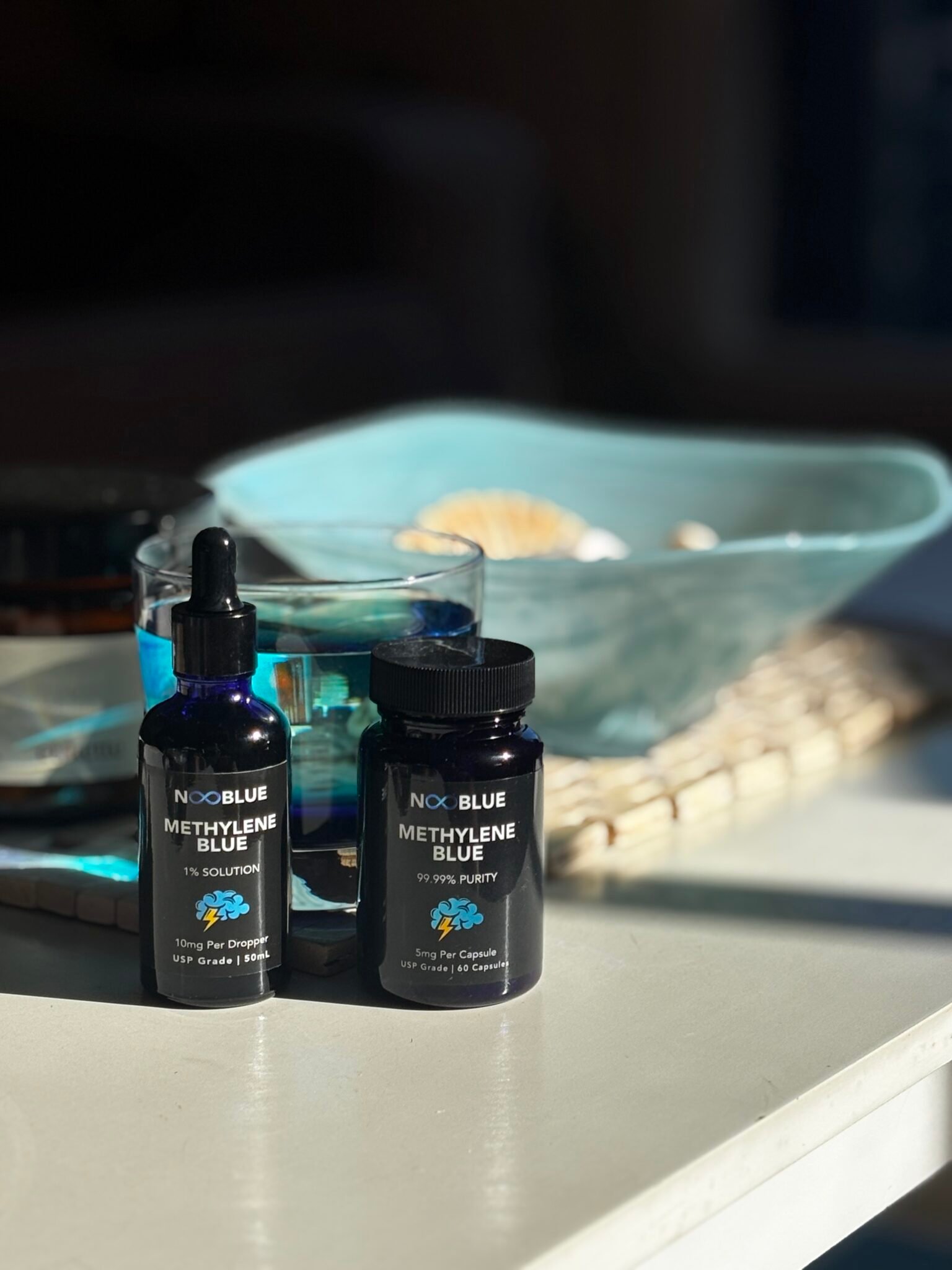
| NooBlue Capsules | USP Pharmaceutical, 99%+ | Capsules (60x5mg) | Yes (CTLA) | $49.99 | Precise micro-dosing, clean formulation, 2-month supply |
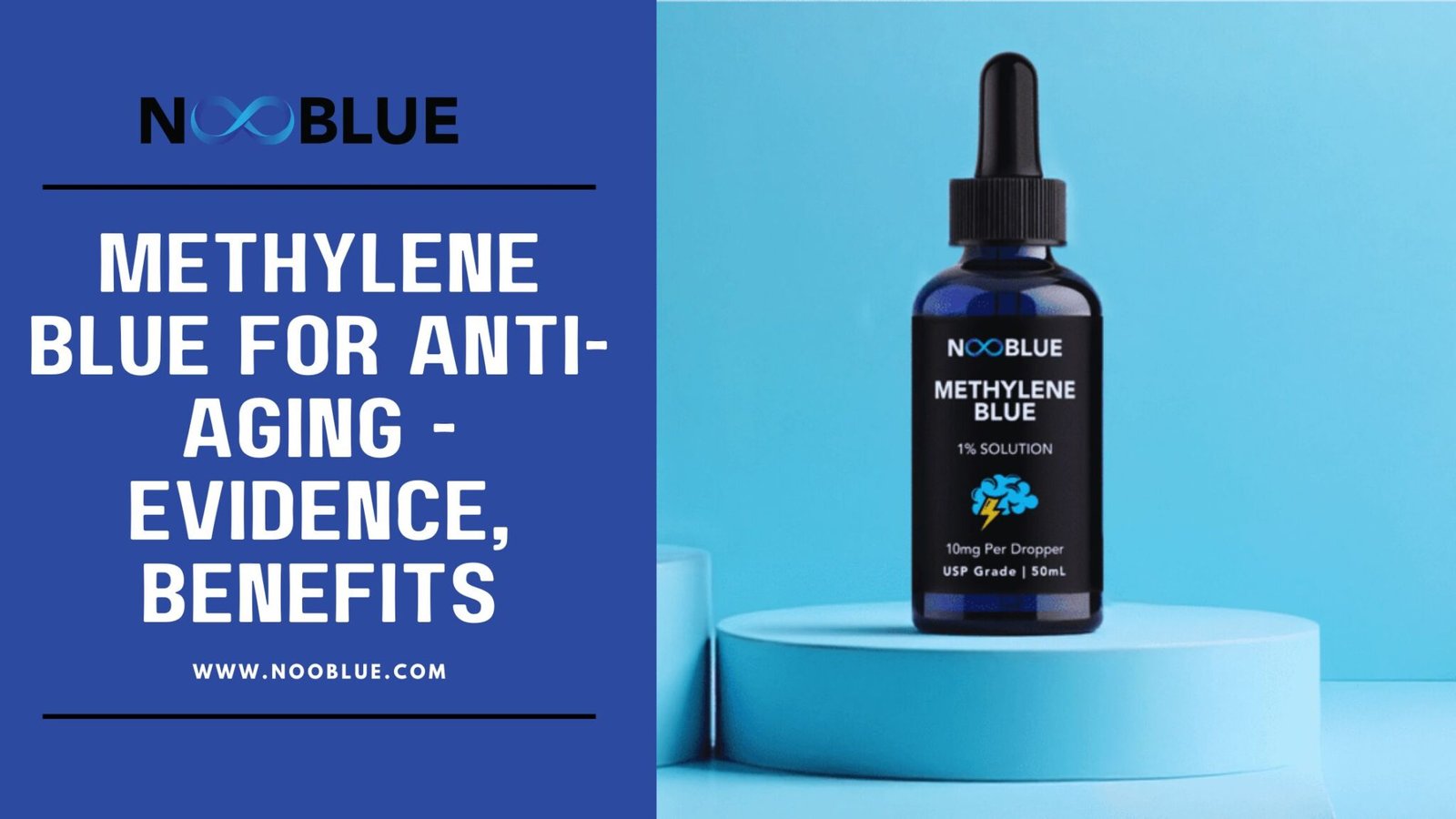
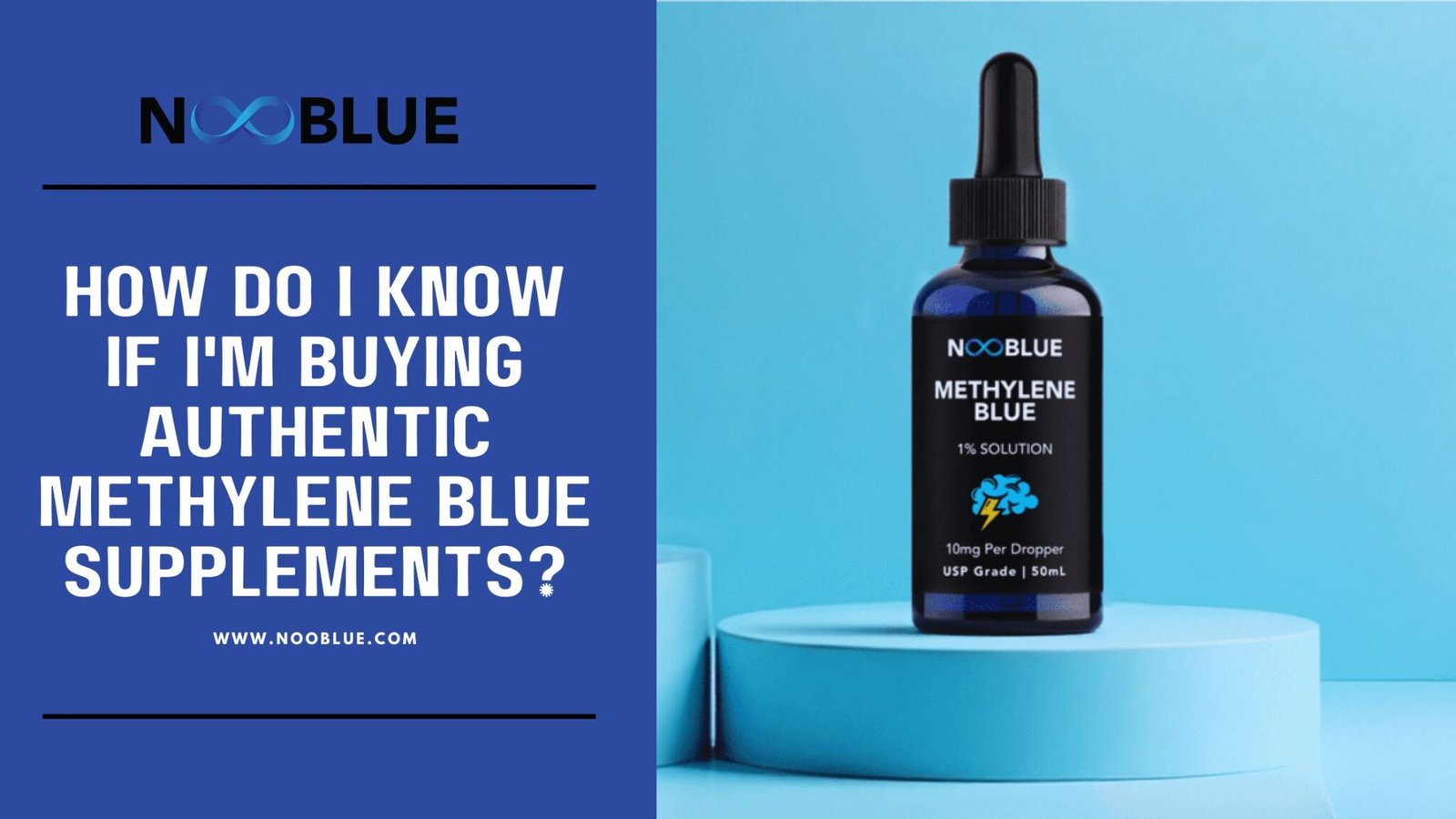
| NooBlue Solution 1% | USP Pharmaceutical, 99%+ | Liquid (50ml) | Yes (CTLA) | $49.99 | Flexible dosing, UV-protective packaging, sublingual option |
| Troscriptions Just Blue | Pharmaceutical | Buccal troche (16mg) | Yes | $30+ | Buccal delivery bypasses digestion |
| Troscriptions Blue Cannatine | Pharmaceutical | Buccal troche (5mg) | Yes | $25.50+ | Stacks MB with caffeine, nicotine, and hemp |
| LVLUP Health Mito Blue | USP, 99% | Capsules | Yes | ~$50 | Synergistic mitochondrial formula |
| CZTL Methylene Blue 1% | USP-grade | Liquid | Limited info | $25 – $40 | Budget entry point for liquid MB |
Prices reflect typical retail as of April 2026. Always verify current pricing on manufacturer websites.
Our Top Pick: NooBlue Methylene Blue
After evaluating everything on the market, NooBlue stands out for the combination of USP-grade purity, transparent third-party testing through the Clinical Testing Laboratories of America (CTLA), clean formulations, and accessible pricing. They offer two formats to cover different use cases.
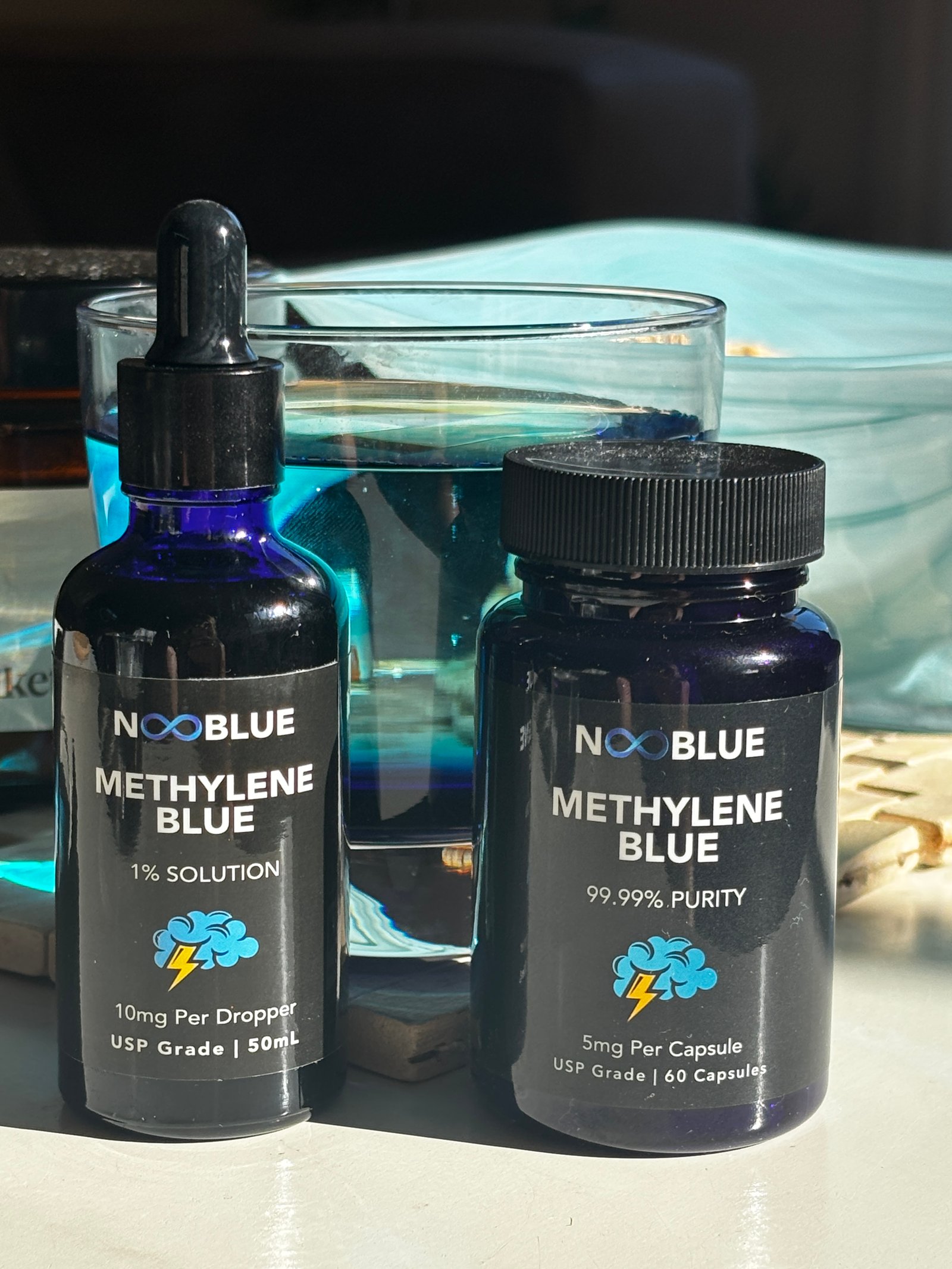
NooBlue Ultimate Methylene Blue Capsules (60x5mg)
The NooBlue Ultimate Capsules are the easiest way to start with methylene blue. Each capsule contains exactly 5mg of pharmaceutical-grade methylene blue, which falls right at the low end of the research-supported dosing range for a 70kg adult. No measuring, no dropper, no blue teeth.
The formulation is deliberately minimal: methylene blue and a vegetarian capsule shell. No fillers, no flow agents, no additives. With 60 capsules per bottle, you get a full two-month supply at the standard 5mg daily dose, which works out to about $0.83 per day. That’s competitive on a cost-per-milligram basis, especially given the USP-grade sourcing and third-party verification.
These are the right choice if you want consistency above all else. One capsule, same dose every day, no variables. Ideal for anyone new to methylene blue or anyone who values the simplicity of a fixed dose.
NooBlue Ultimate Methylene Blue Solution 1% (50ml)
The NooBlue 1% Solution is for users who want precise control over their dosing. At 1% concentration, each milliliter delivers 10mg of methylene blue, so you can easily dial in any dose from a few milligrams to 20mg+ using the included precision dropper.
Liquid methylene blue absorbs faster than capsules, particularly when taken sublingually (held under the tongue for 30-60 seconds before swallowing). This makes it popular among experienced users who want quicker onset of effects. The bottle uses UV-protective packaging to prevent light degradation, which matters because methylene blue is photosensitive and will break down when exposed to light over time.
The trade-off is practical: liquid methylene blue will stain your mouth, teeth, and anything else it touches a vivid blue. Have paper towels ready, and don’t wear your favorite white shirt on dosing day.
How to Use Methylene Blue Safely
Dosage Guidelines
Starting dose: 5mg per day (one NooBlue capsule) for the first one to two weeks. This lets you assess tolerance and identify any sensitivity before increasing.
General range: 0.5mg to 2mg per kilogram of body weight is the range used in most research. For a 70kg (154 lb) adult, that’s roughly 5mg to 15mg daily. Most people find their sweet spot somewhere between 5mg and 10mg.
Upper end: Some experienced users take 15mg to 20mg daily, but there’s limited evidence that higher doses produce proportionally greater benefits. The research actually suggests diminishing returns and potential mitochondrial impairment at higher doses.
Timing and Practical Tips
Take methylene blue in the morning or early afternoon. It has mild stimulatory effects that can interfere with sleep if taken too late in the day. Taking it with food can reduce the mild nausea some users experience initially, though sublingual dosing of liquid avoids the GI tract entirely.
Your urine will turn blue-green. This is completely normal and expected. It’s simply your body processing and excreting the compound. It’s not a sign of anything wrong. The color change typically resolves within 24 to 48 hours after your last dose.
Critical Safety Warning: Drug Interactions
Methylene blue is a potent inhibitor of monoamine oxidase A (MAO-A). This means it must not be combined with serotonergic medications. The FDA has issued a specific safety communication about the risk of serotonin syndrome when methylene blue is combined with:
- SSRIs (fluoxetine, sertraline, escitalopram, etc.)
- SNRIs (venlafaxine, duloxetine, etc.)
- MAOIs
- Triptans
- Tramadol
- St. John’s Wort
Serotonin syndrome is a potentially life-threatening condition that can develop rapidly. If you take any serotonergic medication, do not take methylene blue without explicit clearance from your prescribing physician. This is not a theoretical risk. There are documented cases.
Methylene blue is also contraindicated in individuals with G6PD deficiency (glucose-6-phosphate dehydrogenase deficiency), a genetic condition affecting red blood cells. If you haven’t been tested, consider requesting a G6PD test from your doctor before starting supplementation. Pregnant and breastfeeding women should avoid methylene blue entirely.
Photosensitivity
Methylene blue can increase your skin’s sensitivity to sunlight. If you’re supplementing regularly, use sunscreen and limit prolonged UV exposure, especially during the first few weeks while you’re assessing your individual response. This effect is more pronounced at higher doses.
Storage
Store methylene blue in a cool, dry place away from direct sunlight. This is especially important for liquid solutions, which can degrade when exposed to UV light. Keep bottles tightly sealed. Properly stored, pharmaceutical-grade methylene blue maintains its potency for well over a year.
Methemoglobinemia Risk
At therapeutic micro-doses (5mg to 15mg daily), methylene blue actually treats methemoglobinemia. However, at very high doses (above 7mg/kg), it can paradoxically cause the condition. This is another reason to stay within research-supported dosing ranges and to avoid the temptation to take more than necessary.
Cycling Protocols
Many experienced users follow a cycling protocol, typically five days on and two days off, or three weeks on and one week off. While the clinical literature hasn’t formally established the need for cycling at low doses, the biohacking community reports that periodic breaks help maintain sensitivity to the compound’s effects. If you notice diminishing benefits after several weeks of continuous use, a brief break may help restore your response.
The Science Behind Methylene Blue
Methylene blue’s mechanisms are unusually well-characterized for a supplement ingredient, thanks to its long history in clinical medicine. The research spans mitochondrial biology, neuroscience, and cellular aging.
Mitochondrial Electron Transport
Methylene blue acts as an alternative electron carrier in the mitochondrial electron transport chain. It can accept electrons from NADH and transfer them directly to cytochrome c, effectively bypassing Complex I and Complex III when they’re functioning sub-optimally. This is significant because mitochondrial dysfunction, particularly at Complex I, is implicated in neurodegeneration, chronic fatigue, and cellular aging. A comprehensive 2020 review in Translational Neurodegeneration detailed how this electron-shuttling mechanism sustains ATP production and reduces reactive oxygen species even in damaged mitochondria.
Cognitive Enhancement
The most rigorous human data comes from a randomized, double-blinded, placebo-controlled fMRI study at the University of Texas. Published in Radiology in 2016, the study found that a single low dose of methylene blue increased brain activity during sustained attention and short-term memory tasks, with a 7% improvement in correct responses during memory retrieval. A companion study by the same group, published in Brain Connectivity in 2016, showed that methylene blue modulated functional connectivity across brain networks involved in perception, memory, and default-mode processing.
These aren’t animal studies or observational data. They’re controlled human trials with neuroimaging, which puts methylene blue on stronger evidential footing than most nootropic compounds.
Neuroprotection
A 2017 review in Molecular Neurobiology summarized the emerging evidence for methylene blue as a neuroprotective agent. In preclinical models, it has shown protective effects against neurodegeneration in conditions including stroke, traumatic brain injury, Alzheimer’s disease, and Parkinson’s disease. The mechanisms involve reduced neuroinflammation, inhibition of apoptotic pathways, and preservation of mitochondrial membrane potential.
It’s worth noting that while the animal data is compelling, large-scale clinical trials for neurodegenerative diseases have produced mixed results. The preclinical promise hasn’t fully translated to clear clinical benefit in dementia patients yet. The cognitive enhancement data in healthy adults, however, is solid.
Antioxidant and Anti-Aging Properties
Methylene blue cycles between oxidized and reduced forms, which allows it to function as a redox agent, neutralizing reactive oxygen species at concentrations where it’s actively shuttling electrons in mitochondria. This dual function, simultaneously improving energy production and reducing oxidative damage, is unusual among antioxidant compounds and is part of what drives interest in methylene blue among longevity researchers.
Frequently Asked Questions
Does methylene blue actually improve brain function?
The best human evidence comes from a 2016 randomized, double-blinded fMRI study that showed improved short-term memory retrieval and increased brain activity during attention tasks after a single low dose. The mechanism is well-understood: methylene blue enhances mitochondrial ATP production in neurons, which are among the most energy-demanding cells in the body. Subjectively, many users report improved focus and mental clarity, particularly in the first few hours after dosing.
Should I choose capsules or liquid methylene blue?
Capsules are better for beginners and anyone who values consistency: fixed dose, no mess, no measuring. Liquid is better if you want to fine-tune your dose, prefer faster sublingual absorption, or want to start with doses smaller than 5mg. Many people start with capsules to establish their baseline response, then switch to liquid for more control. The one practical drawback of liquid: it will turn your mouth and teeth blue temporarily.
Is methylene blue safe to take every day?
At pharmaceutical-grade doses of 5mg to 15mg per day, methylene blue has a well-established safety profile for healthy adults. It’s been used medically for over 140 years. That said, daily long-term supplementation should be discussed with your healthcare provider, particularly if you take any medications. The key safety concern is the interaction with serotonergic drugs, which is absolute, not dose-dependent at the levels typically supplemented.
Will methylene blue turn my urine blue?
Yes, and this is completely normal. Methylene blue is excreted by the kidneys, and it will turn your urine a blue-green color. Some people also notice a slight blue-green tinge to stool. The color change is harmless and simply confirms the compound is being metabolized. It typically resolves within a day or two of stopping supplementation.
Can I take methylene blue with other supplements?
Methylene blue is commonly combined with CoQ10, PQQ, lion’s mane, creatine, and other nootropics without issues. However, it must never be combined with serotonergic compounds, including prescription SSRIs, SNRIs, MAOIs, tramadol, and the herbal supplement St. John’s Wort. The interaction risk is serious. If you’re unsure whether something you take affects serotonin, check with your pharmacist before adding methylene blue.
Where can I buy pharmaceutical-grade methylene blue?
Your safest option is to buy directly from manufacturers who document their sourcing, testing, and grade on-label. The NooBlue shop ships USP-grade methylene blue with published COAs. When buying from third-party marketplaces like Amazon, verify that the seller is the actual manufacturer or an authorized distributor, as counterfeit and mislabeled supplements are common. For more buying guidance, see our article on where to order pure methylene blue with fast shipping.
How long does it take to notice effects from methylene blue?
Most users report noticing cognitive effects within one to three hours of their first dose, particularly with liquid taken sublingually. The acute effects include improved focus, mental clarity, and a subtle increase in energy. Long-term benefits related to mitochondrial health and neuroprotection are more gradual and typically assessed over weeks to months of consistent use. If you notice nothing after two weeks at an appropriate dose, methylene blue may not be the right fit for you.
What is the difference between lab-grade and pharmaceutical-grade methylene blue?
Lab-grade (also called reagent-grade or chemical-grade) methylene blue is manufactured for research, staining, and industrial applications. It may contain heavy metals, organic solvents, and other impurities that are acceptable for those uses but unsafe for regular human consumption. Pharmaceutical-grade methylene blue meets USP purity standards of 99%+ and is manufactured under GMP conditions with rigorous quality controls. For a detailed breakdown, read our guide on lab grade vs. pharmaceutical grade methylene blue.
What are the side effects of methylene blue?
At standard supplemental doses (5mg to 15mg daily), the most common side effects are blue-green urine and stool, mild nausea (especially when taken on an empty stomach), and temporary blue staining of the mouth with liquid formulations. Less common effects include mild headache and increased photosensitivity. Serious side effects are rare at proper doses but can include serotonin syndrome when combined with serotonergic medications, and paradoxical methemoglobinemia at very high doses (above 7mg/kg). Anyone with G6PD deficiency should avoid methylene blue entirely.
How do I dose methylene blue by body weight?
The research-supported range is 0.5mg to 2mg per kilogram of body weight. To calculate your range, multiply your weight in kilograms by 0.5 for the low end and by 2 for the upper end. For example, a 68kg (150 lb) person would have a range of 34mg to 136mg, but most supplemental protocols stay at the very low end of this range: 5mg to 15mg daily. Start at 5mg regardless of body weight and increase gradually only if needed. Higher doses do not produce proportionally greater benefits and may actually impair mitochondrial function.
Final Thoughts
The methylene blue supplement market has grown rapidly, and with that growth has come a flood of low-quality products riding on the compound’s legitimate scientific backing. The single most important thing you can do as a buyer is verify the grade and purity of what you’re taking. Everything else, form factor, price, brand reputation, is secondary to that.
NooBlue’s combination of USP-grade purity, clean formulations, third-party CTLA testing, and transparent labeling makes their products a strong recommendation for both new and experienced users. If you’re ready to try pharmaceutical-grade methylene blue backed by independent testing, start with the 5mg capsules for simplicity or the 1% liquid solution for flexible dosing.
Disclosure: NooBlue is our brand. We’ve aimed to present an honest comparison, but we encourage you to research independently.
Medical Disclaimer: This article is for informational and educational purposes only and is not intended as medical advice. Methylene blue is not FDA-approved as a dietary supplement. The statements made here have not been evaluated by the Food and Drug Administration. This product is not intended to diagnose, treat, cure, or prevent any disease. Always consult a qualified healthcare professional before starting any supplement, especially if you are pregnant, nursing, taking medications (particularly serotonergic drugs), or have a pre-existing medical condition including G6PD deficiency.
Last updated: April 2026