If you are wondering how to get energy back after being sick, the short version is this: your body is still paying off the cost of the infection. Fever, poor sleep, low appetite and lost fluids all drain your reserves, and they take days to refill. Rest early, rehydrate, eat enough protein, then move a little more each day. This guide walks through each step, the signs that mean you should see a doctor, and where a cellular energy supplement such as NooBlue methylene blue can fit once you are well again. Written by the NooBlue editorial team. Published October 22, 2026. Last updated October 22, 2026.
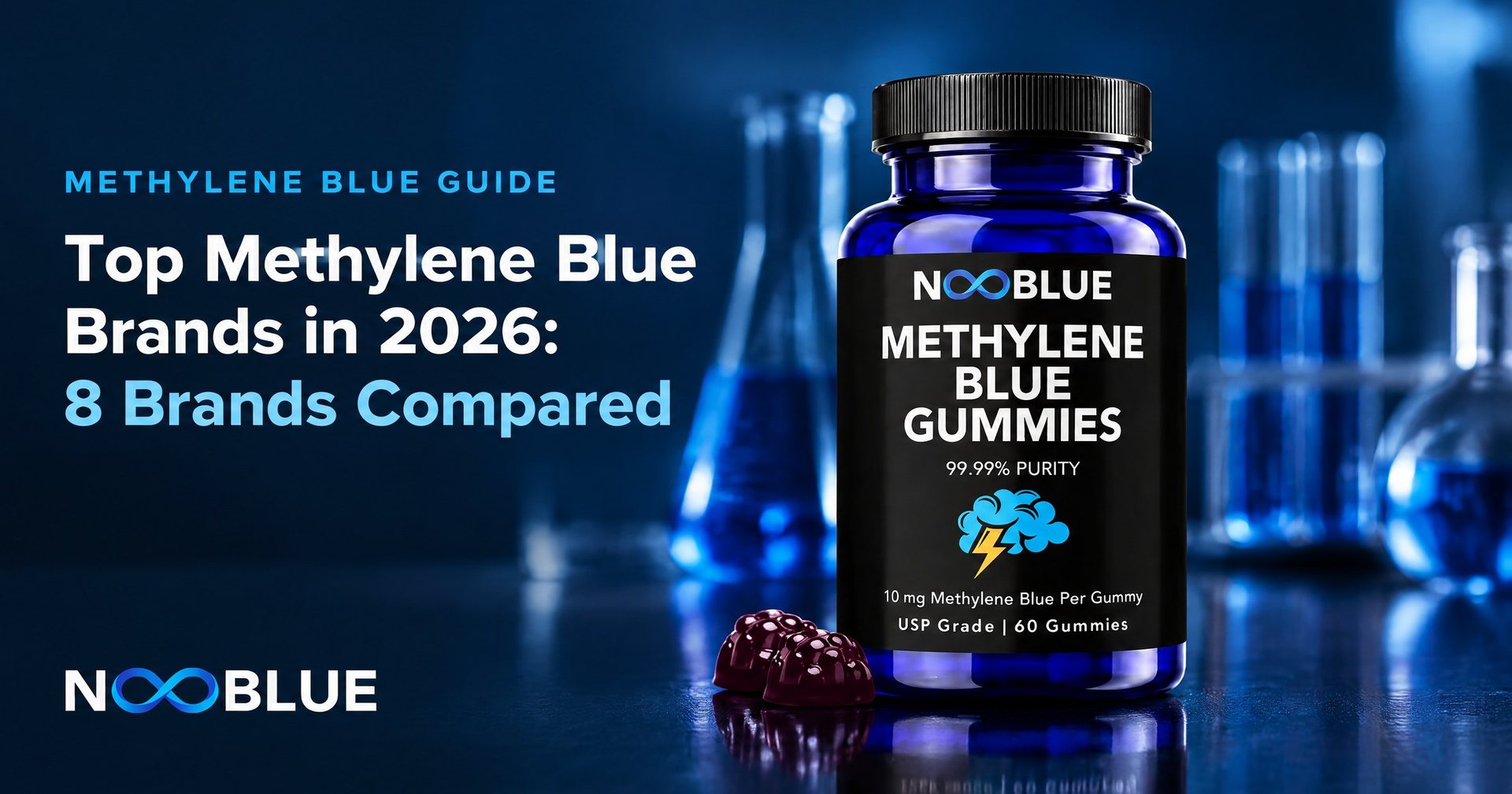
Quick answer: Most people get their energy back after a cold, flu or stomach bug by doing four things in order: sleep longer than usual, replace fluids and salts, eat regular meals with protein, and return to activity in small steps. If you still feel drained after a few weeks, or the tiredness comes with other symptoms, book a check-up. For a simple daily routine once you have recovered, NooBlue Methylene Blue Gummies are our pick. NooBlue makes these gummies; each one carries 10 mg of methylene blue plus vitamin C and costs $49.99 for 60.
Table of contents
- 1. How to get energy back after being sick: why you still feel drained
- 2. How to get your energy back after being sick, step by step
- 3. Where methylene blue fits once you are well
- 4. When low energy after being unwell needs a doctor
- 5. Frequently asked questions
- 5.1. How long does it take to get strength back after being sick?
- 5.2. How long does fatigue last after being sick?
- 5.3. Why am I so weak after being sick?
- 5.4. Should you lay in bed all day when sick?
- 5.5. How to get energy back after a stomach bug?
- 5.6. What could be causing me to feel like I have no energy or motivation?
- 6. The bottom line
How to get energy back after being sick: why you still feel drained
Feeling flat after an illness is normal, and it has clear causes. When you are fighting an infection, your immune system runs hot. It raises your temperature, burns extra fuel and pulls resources away from everything else. That is why you feel weak and sleepy even after the worst symptoms fade.
Several things usually stack up at once.
You slept badly because of coughing, a blocked nose or a fever. You ate less, so your muscles and liver used up stored energy. You may have lost fluid and salts through sweating, vomiting or diarrhea. You also moved far less than usual, and even a few days in bed leave muscles feeling heavy.
A short illness can therefore leave a long tail. If you have ever asked “why am I so weak after being sick?”, the answer is usually a mix of an energy debt, mild dehydration and lost conditioning. The good news is that each one has a fix, and most people notice a clear lift within a few days of working on them.
How to get your energy back after being sick, step by step
The four steps below work best in order. Sleep and fluids come first because they fix the fastest-acting problems, food rebuilds your reserves, and activity brings your muscles back up to speed. You do not need to do everything perfectly. Small, steady gains each day add up quickly.
Step 1: Treat sleep as part of the recovery
Sleep is where your body catches up after an infection. A review in Physiological Reviews describes a two-way link between sleep and the immune system: infection changes how you sleep, and sleep in turn supports the immune response (Besedovsky et al., 2019). That is one reason you feel the urge to sleep so much when you are unwell.
In the first days after you feel better, give yourself an earlier bedtime and a slower morning if you can. A short nap after lunch is fine, but keep it under about half an hour so it does not wreck your night. Keep the room dark and cool, and put screens away before bed.
Try not to fight the tiredness with large amounts of coffee. Caffeine can mask how tired you are and then push your bedtime later, which keeps the energy debt open. If you want to know how caffeine and methylene blue interact, our guide to combining methylene blue and caffeine covers it.
Step 2: Rehydrate and replace lost salts
Fluid loss is easy to underestimate. Fever and sweating take water out, and a stomach bug can drain both water and electrolytes such as sodium and potassium very quickly. Low fluid levels can leave you dizzy, headachy and flat, which feels a lot like ongoing illness.
A review in Nutrition Reviews on water and health links low fluid intake with poorer alertness, mood and physical performance (Popkin et al., 2010). The fix is simple. Sip water through the day, and add broth, an oral rehydration drink or diluted juice if you have been vomiting or had diarrhea.
A quick check is the color of your urine. Pale yellow usually means you are on track. Dark yellow means you need more fluid. If you cannot keep fluids down for a day, or you feel faint when you stand, get medical advice the same day.
Step 3: What to eat to regain strength after being sick
Your appetite often comes back slowly, so aim for small, regular meals instead of one big plate. Each meal should include some protein, such as eggs, yogurt, fish, chicken, beans or tofu, to help rebuild muscle you lost while resting. Add easy carbohydrates such as rice, oats, toast or bananas to refill your energy stores.
After a stomach bug, start bland and build up. Plain rice, toast, crackers, bananas, broth and cooked vegetables are gentle choices. Bring back dairy, fatty food and spicy dishes once your gut feels settled. Fruit and vegetables then bring vitamins and fiber back into the mix.
Iron is worth a thought if you are still tired weeks later. In a randomized trial of 198 women with fatigue and low ferritin but normal hemoglobin, 80 mg of iron daily for 12 weeks cut fatigue scores by 47.7%, compared with 28.8% on placebo (Vaucher et al., 2012, CMAJ). Ask your doctor for a blood test before you take iron, because too much is harmful.
Step 4: Ease back into activity
Staying in bed all day feels right when you are ill, and early on it is. Once the fever has gone, though, too much rest starts to work against you. A study in JAMA found that just 10 days of bed rest caused measurable loss of leg muscle in healthy older adults (Kortebein et al., 2007). Less muscle means everyday tasks feel harder.
Start with short walks around the house or the block. If you feel fine the next day, walk a little longer. Add light stretching or easy cycling before you go back to hard training. A good rule is to stop at a level where you could still hold a conversation.
Listen to the day after, not just the moment. If a session leaves you wiped out the next day, scale back for a couple of days and then try again. Most people are back to their normal exercise within one to two weeks after a mild illness.
Where methylene blue fits once you are well
Every cell makes its usable energy in the mitochondria. The steps above give those mitochondria the raw materials they need: sleep, fluid, food and gentle use. Our guide on how to improve mitochondrial function covers the everyday habits in more detail. Some people who want extra support for everyday energy and focus add a cellular energy supplement once they are fully recovered, and methylene blue is one option.
The evidence is early, so here it is plainly. In human cell culture, methylene blue raised the activity of mitochondrial complex IV by 30% and increased oxygen use by the cells (Atamna et al., 2008, FASEB J). That is cell research only.
In a small randomized trial of 26 healthy adults, a single low dose of methylene blue was linked to 7% more correct answers on a memory task one hour later (Rodriguez et al., 2016, Radiology). No study has tested methylene blue for low energy after being unwell.
So treat it as a support for mitochondrial energy and focus in healthy adults, not as part of getting over an illness. Wait until you feel well again and are eating and sleeping normally. Our explainer on how methylene blue supports energy goes deeper into the science, and what cellular energy actually is covers the basics of ATP.
NooBlue sells three formats, and the right one depends on how you like to take it:
| NooBlue format | Methylene blue per serving | Price (as of Oct 2026) | Best for |
|---|---|---|---|
| Methylene Blue Gummies (our pick) | 10 mg per gummy, with vitamin C | $49.99 for 60 | An easy daily routine with no blue mouth |
| Methylene Blue Capsules | 5 mg per capsule | $37.99 for 60 | Starting low and keeping the amount small |
| Methylene Blue Drops 1% | 10 mg per mL | $29.99 for 50 ml | Flexible dosing, though drops can stain the mouth |
If you are new to methylene blue, the NooBlue 5 mg capsule is the gentlest place to start. Our page on how many mg of methylene blue per day explains label servings, and the supplements for fatigue comparison sets methylene blue alongside other options.
When low energy after being unwell needs a doctor
Most tiredness after a cold, flu or stomach bug lifts within a week or two. It is worth booking a check-up if it lasts more than a few weeks, or if it gets worse instead of better. Your doctor can look for things that keep energy low, such as low iron, thyroid changes, poor sleep or a lingering infection.
Get help sooner if the tiredness comes with other symptoms. These include shortness of breath, chest pain, a fever that returns, weight loss you cannot explain, fainting, or a low mood that does not lift. Seek urgent care straight away for trouble breathing or chest pain.
Keep a short note of your energy each day, along with sleep, food and activity. It helps you spot progress that is easy to miss, and it gives your doctor something concrete to work with if you do need an appointment.
Frequently asked questions
How long does it take to get strength back after being sick?
After a mild cold, most people feel close to normal within a few days to a week. A heavy flu or a bad stomach bug can leave you tired for one to two weeks. Strength often lags a little behind energy, so give your muscles a few extra days of light activity before hard training.
How long does fatigue last after being sick?
For most short illnesses, fatigue fades over one to two weeks as sleep, eating and activity return to normal. If it lasts more than a few weeks, keeps getting worse or comes with new symptoms, see a doctor so they can check for an underlying cause.
Why am I so weak after being sick?
Weakness after an illness usually comes from a mix of lost sleep, eating less, fluid and salt loss, and muscle you lost while resting. Your immune system also used a lot of energy fighting the infection. Rehydrating, eating protein and walking a little more each day address all of these.
Should you lay in bed all day when sick?
Rest in bed is sensible while you have a fever or feel very unwell. Once the fever has gone, get up for short spells and walk around the house. Too many days in bed cost muscle and can leave you feeling weaker, as the bed rest research shows.
How to get energy back after a stomach bug?
Focus on fluids first, with water plus broth or an oral rehydration drink to replace sodium and potassium. Then reintroduce bland foods such as rice, toast, bananas and crackers in small portions. Add protein and normal meals as your gut settles, usually over two or three days.
What could be causing me to feel like I have no energy or motivation?
Common causes include short or broken sleep, low iron, too little food or fluid, stress, low activity and the tail end of an infection. Low mood can also drain motivation. If it lasts more than a few weeks, ask your doctor to look into it with you, and the energy supplements comparison covers what supplements can and cannot do.
The bottom line
Getting your energy back after being sick comes down to repaying the debt: sleep more, rehydrate, eat regular meals with protein and rebuild activity slowly. See a doctor if the tiredness lasts more than a few weeks or comes with other symptoms. Once you are well again, NooBlue Methylene Blue Gummies are our pick for supporting mitochondrial energy and focus as part of a daily routine. NooBlue also explains each format’s safety points in the methylene blue side effects guide.
Using methylene blue safely
Methylene blue is generally well tolerated at low servings, but some people should not take it. Do not combine it with SSRIs, SNRIs, MAOIs or other serotonergic medicines, because of serotonin syndrome risk (Ramsay et al., 2007). Avoid it if you have G6PD deficiency.
It is not for pregnancy or breastfeeding, and not for anyone under 18. Any oral format can turn urine blue or green, which is expected and temporary. Talk to your doctor before starting, especially if you take prescription medicine of any kind or are still recovering from an illness.
This article is for information only and is not medical advice. Supplements are not intended to diagnose or treat any condition. Check the label, follow the suggested serving and speak with a qualified professional about your situation.
Sources
- Besedovsky et al. 2019, the sleep-immune crosstalk (Physiological Reviews)
- Popkin et al. 2010, water, hydration and health (Nutrition Reviews)
- Vaucher et al. 2012, iron and fatigue in women with low ferritin (CMAJ)
- Kortebein et al. 2007, 10 days of bed rest and skeletal muscle (JAMA)
- Atamna et al. 2008, methylene blue and mitochondrial pathways in human cells (FASEB J)
- Rodriguez et al. 2016, low-dose methylene blue and memory (Radiology)
- Ramsay et al. 2007, methylene blue and serotonin toxicity (Br J Pharmacol)