If you keep asking yourself “why am I always cold and tired?”, the two symptoms are probably connected. Your body makes its heat from the same process that gives you energy: cells burn fuel from food, using oxygen, at a pace set partly by thyroid hormone. When one of those inputs runs low, you tend to feel chilly and drained at the same time.
Quick answer: Being always cold and tired usually comes down to low fuel, low oxygen delivery or a slow metabolic signal. The common checks are iron and red blood cells, thyroid hormone, vitamin B12, how much you eat and how well you sleep. A doctor can test most of these with one blood draw, so book one if the pairing lasts more than a few weeks.
This guide explains why cold and tiredness travel together, gives you a table that matches your other symptoms to the likely cause, lists the blood tests worth asking about and sets out a two-week plan. For tiredness without the cold, our hub on the root causes of constant tiredness covers the wider list. Written by the NooBlue editorial team. Published November 5, 2026. Last updated November 5, 2026.
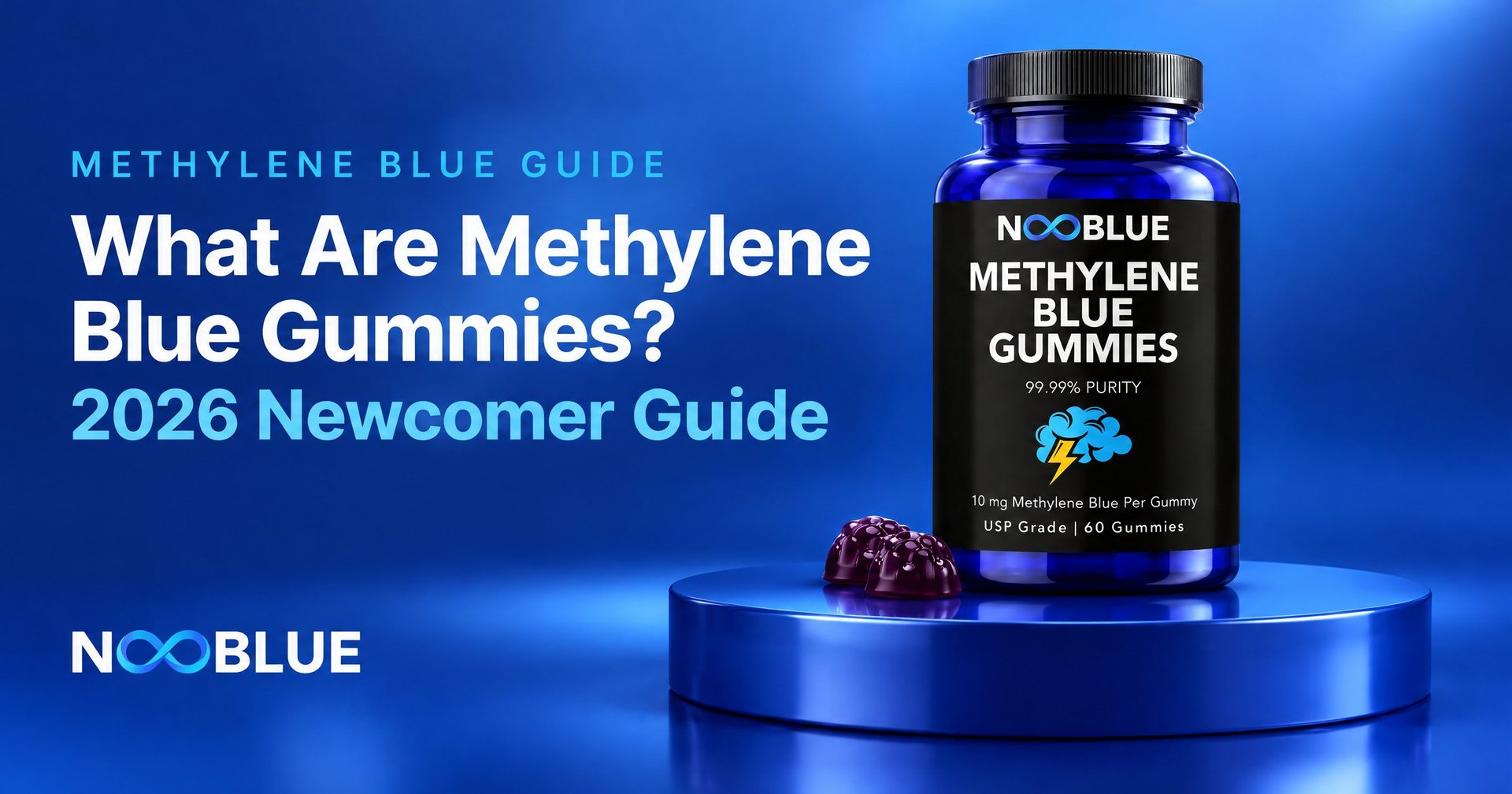
NooBlue makes methylene blue, a daytime supplement studied for how cells produce energy. It does not raise body temperature, and it cannot fix low iron or a thyroid problem. For adults whose checks come back clear and who want caffeine-free support for mitochondrial energy and focus, NooBlue Methylene Blue Gummies are our pick: 10 mg of methylene blue plus vitamin C per gummy, one a day, 60 gummies for $49.99.
Table of contents
- 1. Why am I always cold and tired? Heat and energy come from the same place
- 2. Common reasons you feel cold and tired all the time
- 3. Match your symptoms to the likely cause
- 4. When to see a doctor, and the blood tests to ask for
- 5. How to stop feeling cold and tired all the time: a two-week plan
- 6. Where NooBlue methylene blue fits, and where it does not
- 7. Why am I always cold and tired? Frequently asked questions
- 7.1. Why am I always cold and tired?
- 7.2. What illnesses can make you feel cold?
- 7.3. What is my body lacking if I’m always cold?
- 7.4. Why am I always cold and tired but not anemic?
- 7.5. Why am I always cold and tired and not hungry?
- 7.6. Why am I always cold and shivering, or still cold under blankets?
- 7.7. Why am I always cold to the touch?
- 7.8. Why am I always tired and cold as a female?
- 7.9. At what age do you start feeling colder?
- 7.10. How do I stop feeling cold all the time?
- 8. The bottom line
Why am I always cold and tired? Heat and energy come from the same place
Most of the energy in your food never becomes movement or thought. A large share leaves the body as heat, and that heat is what keeps you at a steady temperature. Brown fat goes one step further: its job is to transfer energy from food straight into heat, using a mitochondrial protein called UCP1 (Cannon and Nedergaard, 2004, Physiological Reviews).
Thyroid hormone sets the pace of this work. A review of thyroid hormone and metabolism describes how its active form is switched on locally in muscle, white fat and brown fat, and that this step is required for the body to make extra heat when it needs it (Mullur, Liu and Brent, 2014, Physiological Reviews). When the signal is weak, MedlinePlus notes that many body functions slow down, and fatigue and trouble tolerating cold are both on its symptom list.
Iron links the two symptoms in a measurable way. In a small study, 10 women with iron-deficiency anemia sat in a 28 °C water bath alongside 12 control women. After 100 minutes the anemic group had lower core temperatures (36.0 vs 36.2 °C), used less oxygen and had lower thyroid hormone levels. Iron supplements corrected the anemia and improved their temperature (Beard, Borel and Derr, 1990, American Journal of Clinical Nutrition).
So the question to ask is which input is short: fuel, oxygen delivery or the thyroid signal. The next section goes through the usual suspects.
Common reasons you feel cold and tired all the time
MedlinePlus lists anemia, an underactive thyroid, very low body weight, blood vessel problems, a problem with the hypothalamus and general poor health as causes of feeling unusually cold. Several of those also sit on its list of causes of fatigue. Here is what each one tends to look like in daily life.
Low iron or too few red blood cells
Red blood cells carry oxygen, and iron is the part of hemoglobin that holds it. When iron stores run low, MedlinePlus describes tiredness that comes on more often or with exercise, headaches, dizziness and trouble concentrating, then pale skin, breathlessness, brittle nails and cravings for ice as it gets worse. Heavy periods, a strict vegetarian diet, pregnancy and blood loss from the gut are common routes there. You can read more about this in our guide to extreme fatigue and brain fog, which covers iron from the brain fog side.
A slow thyroid
Feeling cold when others are comfortable, plus tiredness, weight gain, dry skin, thinning hair and constipation, is the classic picture. MedlinePlus lists being a woman, being over 60 and having a family history of thyroid problems among the risk factors. A simple blood test (TSH, often with T4) checks it.
Low vitamin B12
B12 is needed to make red blood cells, so a shortage can leave you tired, pale and lightheaded when you stand. Over time it can also cause numbness and tingling in the hands and feet, which many people describe as cold hands. MedlinePlus names strict vegetarian diets, long-term heartburn medicines, metformin and some stomach or bowel surgeries as common reasons for low levels.
Eating too little or losing weight fast
Your body turns down its heat output when food is scarce. In one study, 24 lean, healthy adults who had followed a calorie-restricted diet for about 6 years had lower 24-hour core body temperatures than matched people eating a normal Western diet (Soare et al., 2011, Aging). Skipped meals, a hard diet or a busy stretch where you forget to eat can bring the same chill along with low energy. Our guide on why you feel tired after eating covers the opposite problem.
Low body fat and getting older
Fat insulates. MedlinePlus notes that some people, often thin older women, do not tolerate cold well because they have very little body fat to keep them warm. Muscle also makes heat, so losing muscle with age or inactivity leaves less of a furnace to draw on.
Poor sleep and a body clock out of sync
Short or broken sleep is one of the most common reasons for daytime tiredness, and many people notice they feel colder after a bad night. If your mornings are the worst part, our guide on waking up tired despite a full night walks through the sleep side in detail.
Cold hands and feet only
If your core feels fine but your fingers and toes go white or numb in the cold, the issue may be how blood vessels in your hands and feet respond, which is worth showing a doctor. Smoking and some medicines can make it worse.
Match your symptoms to the likely cause
Feeling cold and tired all the time is a pairing, and the third symptom often tells you most. Find the row that sounds like you, then use the test column to know what to ask for. This table is a starting point for a conversation with your doctor, and it cannot replace one.
| Cold and tired, plus | Possible driver | Test a doctor may order | Sensible first step |
|---|---|---|---|
| Pale skin, breathless on stairs, heavy periods or ice cravings | Low iron or too few red blood cells | Complete blood count, ferritin, serum iron | Book the blood test before taking iron |
| Dry skin, weight gain, constipation, thinning hair | Slow thyroid | TSH, T4 (sometimes T3) | Book the blood test and mention the cold |
| Tingling or numb hands and feet, sore tongue, vegetarian diet | Low vitamin B12 | Serum B12, sometimes methylmalonic acid | Ask for B12 to be added to the blood panel |
| Recent weight loss, skipped meals or a strict diet | Not enough fuel | Weight history, metabolic panel | Eat regular meals with protein for two weeks |
| Worst after short or broken nights | Sleep debt or a shifted body clock | Sleep history; a sleep study if you snore or stop breathing | Fix your wake time and keep it daily |
| Only fingers and toes, which turn white or numb | Blood vessels in the hands and feet | Exam of hands and feet | Keep hands warm and show a doctor |
If more than one row fits, that is common. Low iron, for example, can lower thyroid hormone levels as well, as the Beard study above found, so a single blood draw that covers several rows is the efficient route.
When to see a doctor, and the blood tests to ask for
MedlinePlus advises contacting a health care provider for long-term or extreme cold intolerance, and says fatigue that does not improve with enough sleep, good food and less stress should be checked. In practice, book an appointment if being always cold and tired has lasted more than a few weeks, is getting worse, or comes with weight change, shortness of breath, a racing heart, numbness, or very heavy periods.
Your doctor will ask when the cold started, whether others around you feel it too, what you eat, and your height and weight. Tests that commonly follow are:
- Complete blood count (CBC), to look for anemia
- Ferritin and serum iron, to see your iron stores
- TSH and thyroid hormone levels (T4, sometimes T3)
- Vitamin B12, especially if you eat little or no meat
- A comprehensive metabolic panel, which checks blood sugar, kidneys and liver
Bring a one-week note of when you feel coldest, how you slept and what you ate. It makes the visit faster and the results easier to read.
How to stop feeling cold and tired all the time: a two-week plan
While you wait for results, or once they come back clear, these steps target the fuel, sleep and heat side of the problem. Give them two weeks before you judge them.
- Eat three real meals. Do not skip breakfast, and include protein at each meal. Digesting food makes heat, and regular meals keep fuel coming.
- Eat iron and B12 foods. Red meat, poultry, fish, eggs, beans, lentils and fortified cereals. Do not start iron pills without a blood test, because too much iron causes its own problems.
- Move every hour. Working muscle makes heat. A five-minute walk or a set of stairs warms you faster than a heater and lifts energy too.
- Keep the same wake time daily. A steady schedule helps your body clock line up your temperature rhythm with your day.
- Dress for your core. A warm base layer and socks keep your core warm so your body can keep blood flowing to your hands and feet.
- Cut back on late caffeine and alcohol. Both disturb sleep, and alcohol makes you lose heat through the skin even though it feels warming.
- Track it. Note how cold and how tired you feel each afternoon on a 1 to 10 scale. The trend after two weeks tells you more than any single day.
For more habits that lift daytime energy, see our guide on how to have more energy, and if the drain is mostly mental rather than physical, our piece on mental fatigue and recovery is a better fit.
Where NooBlue methylene blue fits, and where it does not
Methylene blue is a compound researchers study for how it interacts with mitochondria, the parts of your cells that turn fuel and oxygen into usable energy. In human cells grown in a lab, it raised the activity of a key mitochondrial enzyme (complex IV) by 30% and increased oxygen use by 37 to 70% (Atamna et al., 2008, FASEB Journal). That is cell culture, and it does not tell you what happens in a person.
In people, the evidence is small. In a randomized, placebo-controlled trial of 26 healthy adults aged 22 to 62, one low oral dose increased brain activity during attention and short-term memory tasks an hour later, with 7% more correct answers on memory retrieval (Rodriguez et al., 2016, Radiology). No trial has looked at methylene blue for feeling cold, and none shows it warms you up.
That shapes how to use it. NooBlue is not a fix for low iron, a slow thyroid or skipped meals, so get those checked first. If your tests are normal and you want daytime support for cellular energy and focus without coffee, a NooBlue product fits as a morning habit. Our explainer on what cellular energy is covers the biology in plain terms.
NooBlue sells three formats. NooBlue Methylene Blue Gummies hold 10 mg per gummy with vitamin C, 60 per pack for $49.99, and avoid the blue mouth that drops cause. NooBlue Capsules hold 5 mg each, 60 for $37.99, a gentle starting point at one capsule a day.
NooBlue Drops are a 1% solution, 50 ml for $29.99, for people who want to measure their own dose. Our comparison of gummies vs capsules helps you choose.
If you are weighing options, our guide to the top methylene blue supplements lines them up on grade, dose and price. Not sure where to look? Our guide on buying methylene blue in stores or online compares online, pharmacy and in-store options.
Why am I always cold and tired? Frequently asked questions
Why am I always cold and tired?
The most common reasons are low iron, a slow thyroid, low vitamin B12, eating too little and poor sleep. Each one reduces either the fuel, the oxygen or the signal your cells use to make both energy and heat. A blood test from your doctor checks the first three.
What illnesses can make you feel cold?
MedlinePlus lists anemia, an underactive thyroid, very low body weight from an eating disorder, blood vessel problems in the hands and feet, problems with the hypothalamus and chronic severe illness. A doctor can sort these out with an exam and blood tests.
What is my body lacking if I’m always cold?
The usual shortfalls are iron, vitamin B12, thyroid hormone, calories or body fat. Iron and B12 can be checked with a blood test, and your doctor will also ask about your diet and weight.
Why am I always cold and tired but not anemic?
Normal red blood cells do not rule out low iron stores, so ask if your ferritin was checked. A slow thyroid, low B12, too few calories, poor sleep and low body fat can all cause the pairing without anemia.
Why am I always cold and tired and not hungry?
Eating less lowers the fuel your body burns for heat and energy, so low appetite can feed the cold and tiredness. Losing your appetite for more than a couple of weeks, especially with weight loss, is a reason to see a doctor.
Why am I always cold and shivering, or still cold under blankets?
Shivering is your muscles making heat fast. Feeling cold under blankets in a warm room, or shivering with no obvious reason, points to the checks above. Shivering with a fever is a different problem and needs prompt medical advice.
Why am I always cold to the touch?
Skin feels cold when the body narrows the blood vessels near the surface to protect your core temperature. It is common in thin people and in cold rooms. If your hands or feet also turn white, blue or numb, show a doctor.
Why am I always tired and cold as a female?
Women are more likely to have low iron because of periods and pregnancy, and MedlinePlus lists being a woman as a risk factor for an underactive thyroid. Both make iron and thyroid tests a sensible first step.
At what age do you start feeling colder?
There is no set age. People often notice it later in life as muscle and body fat change, and MedlinePlus notes that thin older women are among those most likely to feel the cold.
How do I stop feeling cold all the time?
Find the cause first with a doctor’s check, then eat regular meals with protein, move every hour, keep a steady sleep schedule and dress in warm layers. The two-week plan above sets these out in order.
The bottom line
Feeling always cold and tired is usually a sign that your cells are short on fuel, oxygen or the thyroid signal that sets their pace. Start with a doctor’s blood test for iron, thyroid and B12, eat regular meals, protect your sleep and keep moving. Most people find the cause in those checks.
Once the basics are covered, NooBlue gummies are an easy morning addition for daytime support of mitochondrial energy and focus. For the full list of tiredness causes, go back to the guide to always feeling tired, and if your energy dips mostly in the evening, read why you feel so tired after work.
Using methylene blue safely
Some people should not take methylene blue. Do not combine it with SSRIs, SNRIs, MAOIs or other serotonergic medicines, because of the risk of serotonin syndrome (Ramsay et al., 2007, British Journal of Pharmacology). Avoid it if you have G6PD deficiency. Our page on who should not take methylene blue covers this in more detail.
It is not for pregnancy or breastfeeding, and not for anyone under 18. Any oral format can turn urine blue or green, which is expected and temporary. Talk to your doctor before starting, especially if you take any prescription medicine.
This article is for information only and is not medical advice. Supplements are not intended to diagnose or treat any condition. Follow the suggested serving on the label and speak with a qualified professional about your situation.
Sources
- Cannon and Nedergaard 2004, brown adipose tissue: function and physiological significance (Physiological Reviews)
- Mullur, Liu and Brent 2014, thyroid hormone regulation of metabolism (Physiological Reviews)
- Beard, Borel and Derr 1990, impaired thermoregulation and thyroid function in iron-deficiency anemia (American Journal of Clinical Nutrition)
- Soare et al. 2011, long-term calorie restriction lowers core body temperature in humans (Aging)
- MedlinePlus, Cold intolerance (US National Library of Medicine)
- MedlinePlus, Hypothyroidism (US National Library of Medicine)
- MedlinePlus, Iron deficiency anemia (US National Library of Medicine)
- MedlinePlus, Vitamin B12 deficiency anemia (US National Library of Medicine)
- MedlinePlus, Fatigue (US National Library of Medicine)
- Atamna et al. 2008, methylene blue and mitochondrial pathways in human cells in culture (FASEB Journal)
- Rodriguez et al. 2016, methylene blue and brain activity in healthy adults (Radiology)
- Ramsay et al. 2007, methylene blue and serotonin toxicity (British Journal of Pharmacology)