By NooBlue Editorial · Published July 23, 2026 · Last updated September 2, 2026
If you have ever wondered whether a bigger dose means a bigger effect, methylene blue is the compound that proves the opposite. Low dose methylene blue is the range where this deep-blue molecule does its best work — sharpening cellular energy and supporting the brain — while larger amounts flip the switch the other way. That single fact is why NooBlue built its flagship product around a precise 5mg dose rather than the eye-catching high-milligram numbers some sellers advertise. This guide explains what “low dose” actually means, why the research keeps pointing back to it, and how to think about the amount that fits everyday use. It also unpacks a marketing habit worth seeing through: the assumption that a higher number on the label is a better product.
Key Takeaways
- Low dose methylene blue works through a hormetic, U-shaped dose-response: small amounts support mitochondrial energy, while high amounts reverse the benefit.
- Animal research puts the memory-supporting window at roughly 0.5–4 mg/kg, which scales down to a small single-digit-to-low-double-digit milligram range for most adults.
- NooBlue’s 5mg USP-grade capsules are built for this range, giving precise, repeatable dosing instead of guesswork.
Table of contents
- 1. What Low-Dose Methylene Blue Actually Means
- 2. Why Low-Dose Methylene Blue Works Better Than High Doses
- 3. The Mitochondrial Mechanism Behind Low-Dose Benefits
- 4. How Much Is a Low Dose in Real Life?
- 5. When More Isn’t Better: The High-Dose Reversal
- 6. Is Low-Dose Methylene Blue Safe? What to Rule Out First
- 7. Frequently Asked Questions
- 7.1. Is 5mg of methylene blue enough?
- 7.2. Does a higher dose of methylene blue work better?
- 7.3. Can I take low-dose methylene blue every day?
- 7.4. Why does NooBlue use a 5mg capsule instead of a bigger dose?
- 7.5. How do you take low-dose methylene blue orally?
- 7.6. How does 0.5–1 mg/kg translate to a 5mg capsule?
What Low-Dose Methylene Blue Actually Means
“Low dose” is not a marketing softener — it describes a specific pharmacological zone. In the supplement context, low dose methylene blue generally refers to a few milligrams up to around 15mg taken once daily, well below the higher amounts used in acute clinical settings. NooBlue’s 5mg capsule sits squarely inside that zone by design.
The reason the number matters comes down to how the molecule behaves in the body. Methylene blue is redox-active, meaning it can either donate or accept electrons depending on its concentration. At low concentrations it slots neatly into the electron transport chain and helps mitochondria produce energy more efficiently. Push the concentration higher and the same molecule starts to behave as a pro-oxidant, undoing the very effect people are chasing. If you want the full picture of intake amounts across goals and body weights, our complete methylene blue dosage guide breaks the numbers down step by step.
This is where a lot of shoppers get steered wrong. A bottle advertising 50mg or 100mg per serving looks like more value, and for most supplements a bigger dose really does mean a stronger effect. Methylene blue breaks that pattern. Because its benefits are tied to a narrow concentration window inside the mitochondria, a large per-serving number can actually put you past the helpful zone rather than deeper into it. The useful question is not “how many milligrams do I get?” but “is this the amount the research supports?” — and for daily support the answer keeps landing in the low single-to-low-double-digit range.
Why Low-Dose Methylene Blue Works Better Than High Doses
The scientific term for this behavior is hormesis — a biphasic dose-response where a compound helps at low doses and harms at high ones. Methylene blue is a textbook example. In a detailed dose-response study, researchers writing in the American Journal of Pharmacology and Toxicology reported that methylene blue enhances memory in the low-dose range of roughly 0.5–4 mg/kg, but the same benefits fade and then reverse at doses above 10 mg/kg (Bruchey & Gonzalez-Lima, 2008). Plotted on a graph, the result is a hump: benefits climb, peak, then drop away as the dose keeps rising.
Human work points in the same direction. A randomized functional-MRI study published in the journal Radiology found that a single low oral dose of methylene blue increased brain activity during memory and attention tasks and improved memory retrieval in healthy adults (Rodriguez et al., 2016). The takeaway that studies suggest, rather than promise, is consistent: the useful signal shows up at modest amounts, not heroic ones.
| Dose zone | What research associates with it | Practical read |
|---|---|---|
| Low (~0.5–4 mg/kg in animal studies; a few mg to ~15mg for most adults) | Supports mitochondrial respiration and memory-related activity | The everyday supplemental zone — where a 5mg capsule lives |
| Moderate | Benefits plateau; no added upside for the extra dye | Diminishing returns |
| High (>10 mg/kg in animal studies) | Pro-oxidant shift; the earlier benefit reverses | More is not better — see the too-much guide below |
Looking for clean, USP-grade methylene blue? NooBlue’s Methylene Blue Capsules ship with a verified COA and precise 5mg dosing. Shop the full range →
The Mitochondrial Mechanism Behind Low-Dose Benefits
Mitochondria are the tiny power plants inside your cells, and they run on a relay called the electron transport chain. Methylene blue crosses into the mitochondrial matrix and, at low concentrations, forms a redox couple with the enzymes of that chain — effectively acting as an extra electron carrier that keeps energy production moving, chiefly by supporting the activity of cytochrome c oxidase (Gonzalez-Lima, 2014). That is the cellular basis for the energy and focus effects people describe. If you like mechanism-level detail, we cover the full pathway in our explainer on how methylene blue works at the mitochondrial level.
Concentration is the whole game here. A modest amount of dye gives the electron transport chain a helpful nudge. Flood the same system and methylene blue starts generating the reactive species it was helping to keep in check. This is also why the compound pairs so logically with light-based approaches that target the same enzyme — a synergy we explore in our piece on combining methylene blue with red light therapy. Low-dose research on that pairing shows the two acting on cytochrome oxidase together rather than at brute-force amounts (Rojas et al., 2015).
How Much Is a Low Dose in Real Life?
Translating animal numbers to a capsule takes a little care. The 0.5–4 mg/kg window from rodent studies does not map one-to-one onto humans, because smaller animals metabolize compounds faster; the human-equivalent dose is a fraction of the rodent figure once you account for body-surface-area scaling. That math is exactly why so many people who use methylene blue for general support land in the single-digit-to-low-teens milligram range rather than the 100mg-plus amounts you might see in a clinical paper.
Consistency is the other half of the equation, and it is where the low-dose approach quietly wins. A small daily amount that you can take the same way every morning gives your mitochondria a steady, predictable input, and steadiness is what the supportive research is built on — single, modest doses repeated over time, not occasional large ones. A 5mg capsule is trivial to keep consistent: one capsule, same amount, no measuring. That reliability is worth more than any extra milligram, because a dose you can reproduce exactly is a dose you can actually judge the effects of.
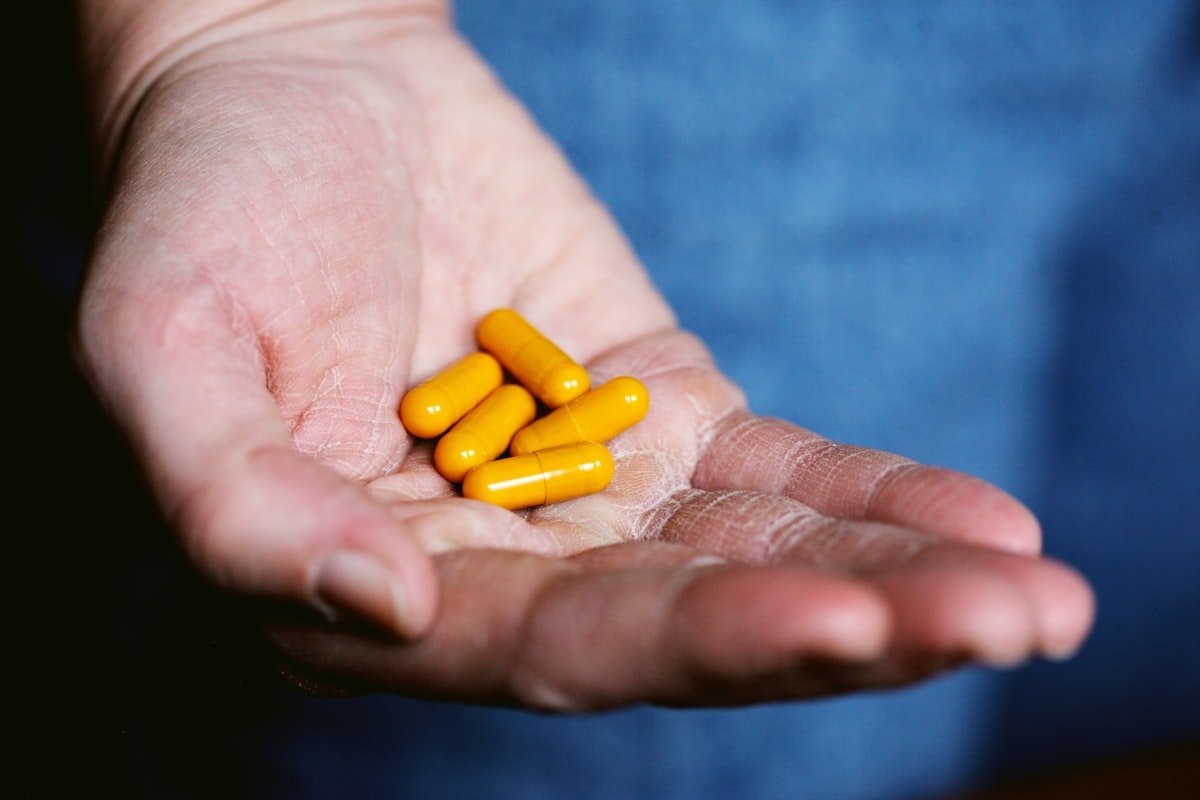
A 5mg capsule is a deliberate anchor point in that range. It is large enough to be meaningful, small enough to stay on the beneficial side of the curve, and — crucially — easy to dose consistently. Trying to measure a few milligrams from a liquid by counting drops introduces error every single time; a pre-measured capsule removes it. For readers who prefer to reason from their own body weight, we built a methylene blue dosage chart by body weight that lays out sensible starting points. NooBlue’s 5mg capsules start at $37.99 for a 60-count bottle, are USP grade, and ship with a verified Certificate of Analysis so you know precisely what each dose contains.
When More Isn’t Better: The High-Dose Reversal
The flip side of hormesis is the part sellers of high-milligram products would rather you skipped. Once methylene blue crosses out of its low-dose zone, the antioxidant support turns pro-oxidant, and the cognitive and energy signals seen at small amounts flatten and then decline. Higher amounts also raise the practical stakes — most notably the interaction risk with serotonergic medications, which is dose-related. Because of that curve, “take more to feel more” is the wrong instinct with this particular compound. We walk through the upper boundaries in detail in our guide to how much methylene blue is too much, and we cover consistency and timing in our look at whether methylene blue is safe to take daily and the best time of day to take methylene blue.
The honest summary is simple: with methylene blue, precision beats potency. A clean, correctly sized dose taken consistently is the version of this compound that the research actually supports. That is the philosophy behind every NooBlue product — third-party tested, USP grade, and dosed for the range where the science lives.
Capsule or liquid, the goal stays the same: a clean, correctly sized dose you can repeat without guesswork. The 5mg capsule keeps that simple, and for people who prefer a titratable format NooBlue’s pharmaceutical-grade 1% solution offers the same purity in drop form — browse the liquid option here. Try NooBlue if you want methylene blue that is measured for the low-dose window instead of a headline milligram count, backed by a verified Certificate of Analysis on every batch.
Is Low-Dose Methylene Blue Safe? What to Rule Out First
Within the low-dose window the tolerability picture is good for healthy adults, but the exclusions are absolute and do not shrink with the dose. Methylene blue is a reversible MAO inhibitor, so it must never be combined with SSRIs, SNRIs, or other serotonergic drugs; the risk is serotonin syndrome, and while it rises with dose it is not absent at 5mg. People with G6PD deficiency should not take it at all, and it is off-limits in pregnancy and breastfeeding. If you take any prescription medication, clear it with your doctor first. For everyone else the practical rules are simple: start with one 5mg capsule in the morning, take it before about 2 PM because it is mildly stimulating and can disturb sleep, and expect blue-green urine, which is harmless. Our guide to who should not take methylene blue covers the full list.
Frequently Asked Questions
Is 5mg of methylene blue enough?
For general daily support, 5mg sits inside the low-dose range that research associates with mitochondrial and cognitive benefits. Because methylene blue follows a hormetic curve, a precise small dose is the point — not a limitation. A 5mg NooBlue capsule delivers a repeatable amount without the measurement error that comes from counting drops, which is why it works well as a consistent daily anchor.
Does a higher dose of methylene blue work better?
No. Studies suggest the benefits of methylene blue peak at low doses and then reverse as the dose climbs, following a U-shaped dose-response. Above roughly 10 mg/kg in animal models the memory and energy effects fade, and the molecule shifts toward pro-oxidant behavior. With this compound, more is not better.
Can I take low-dose methylene blue every day?
Many people use a small daily dose for ongoing support, and consistency tends to matter more than size within the low-dose window. Timing and personal health factors still apply, so it is worth reading our dedicated coverage on daily use and speaking with a qualified professional before starting, especially if you take any medication.
Why does NooBlue use a 5mg capsule instead of a bigger dose?
Because the evidence favors the low-dose zone, NooBlue formulates for precision rather than a large headline number. Each capsule is USP grade, third-party tested, and backed by a verified COA, giving you an exact 5mg dose every time instead of an inflated amount that sits on the wrong side of the curve.
How do you take low-dose methylene blue orally?
Once a day, in the morning. Swallow one 5mg USP-grade capsule with a glass of water on an empty stomach or after a light breakfast, before about 2 PM so the mild stimulating effect does not reach bedtime. Hold that dose for two to three weeks before deciding whether to add a second capsule. If you use the 1% solution, it delivers 10mg per millilitre, so measure by milligram rather than guessing from drops, and take it in water through a straw to avoid staining. Our guide on how to take methylene blue drops covers the details.
How does 0.5–1 mg/kg translate to a 5mg capsule?
The mg/kg figures come from animal work and overstate what a person needs once body-surface-area scaling is applied. The range usually discussed for daily human use is roughly 0.5–1 mg/kg, and a 5mg capsule deliberately sits well under it: a starting anchor at the bottom of the hormetic curve, not a target. Most people who use methylene blue for everyday support settle between 5mg and around 10–15mg and never need more, because the benefit plateaus and then reverses as the dose climbs. Our methylene blue dosage guide lays out weight-based starting points.
This article is for educational purposes only and is not medical advice. Methylene blue is a potent compound; talk to a qualified healthcare professional before starting any new supplement, especially if you take medication (notably SSRIs or MAOIs) or have a health condition.
Ready to try methylene blue?
USP grade · Verified COA · Free worldwide shipping over $100
Shop NooBlue →