Harmonify methylene blue comes in two formats, a 60 mL liquid solution and a 60-count gummy bottle, but the product pages leave two questions open: how much methylene blue is in a serving and how that maps to a daily amount you can count. The liquid sells at $19.99 and the gummies at $21.99. Neither page states a per-serving dose in mg, and the gummy page does not link a certificate of analysis. Written by the NooBlue editorial team. Published October 23, 2026. Last updated October 23, 2026.
Quick answer: Harmonify is a general supplement store that sells methylene blue gummies and a liquid solution at low entry prices. If you want a brand that states the exact mg per serving on every format, NooBlue Methylene Blue Gummies are our pick. NooBlue makes these gummies.
It is our pick because the label says 10 mg of methylene blue per gummy, with 5 mg capsules and 1% drops alongside. See the full methylene blue brand comparison for the wider field.
Table of contents
- 1. Harmonify methylene blue at a glance
- 2. What Harmonify methylene blue products include
- 3. Price per serving compared
- 4. Harmonify methylene blue vs NooBlue: which fits you
- 5. What the research says about methylene blue
- 6. FAQ
- 6.1. Is Harmonify methylene blue legit?
- 6.2. How much methylene blue is in Harmonify gummies?
- 6.3. How long does methylene blue stay in your system?
- 6.4. Is methylene blue hard on the kidneys or liver?
- 6.5. What happens if you take methylene blue every day?
- 6.6. Why do people feel good on methylene blue?
- 6.7. Where can I buy NooBlue?
- 6.8. Does Harmonify sell other supplements?
- 7. The bottom line
- 8. Safety notes before you take methylene blue
Harmonify methylene blue at a glance
Here is the side-by-side view. Harmonify keeps its entry price low. NooBlue publishes the dose per serving on every format. Prices below are as of Oct 2026.
| Product | Format | Stated dose | Price | Notes |
|---|---|---|---|---|
| Harmonify Methylene Blue Solution 60 mL | Liquid drops | Not stated on page | $19.99 | Concentration and mg per drop not published |
| Harmonify Methylene Blue Gummies 2500mg | Gummies, 60 count | Not stated per gummy | $21.99 | Blueberry flavor, sugar-free |
| NooBlue Methylene Blue Gummies | Gummies, 60 count | 10 mg per gummy | $49.99 | With vitamin C; $0.83 per serving |
| NooBlue Ultimate Methylene Blue Capsules | Capsules, 60 count | 5 mg per capsule | $37.99 | One-capsule serving; $0.63 per serve |
| NooBlue Methylene Blue Drops 1% | Liquid, 50 mL | 10 mg per mL | $29.99 | 100 servings per bottle; $0.30 per serve |
What Harmonify methylene blue products include
Harmonify is a wide-ranging supplement store. Alongside its methylene blue line it sells NAD+, urolithin A, magnesium threonate, pet drops, shilajit and more. Methylene blue is one product family among many, not the brand’s whole focus.
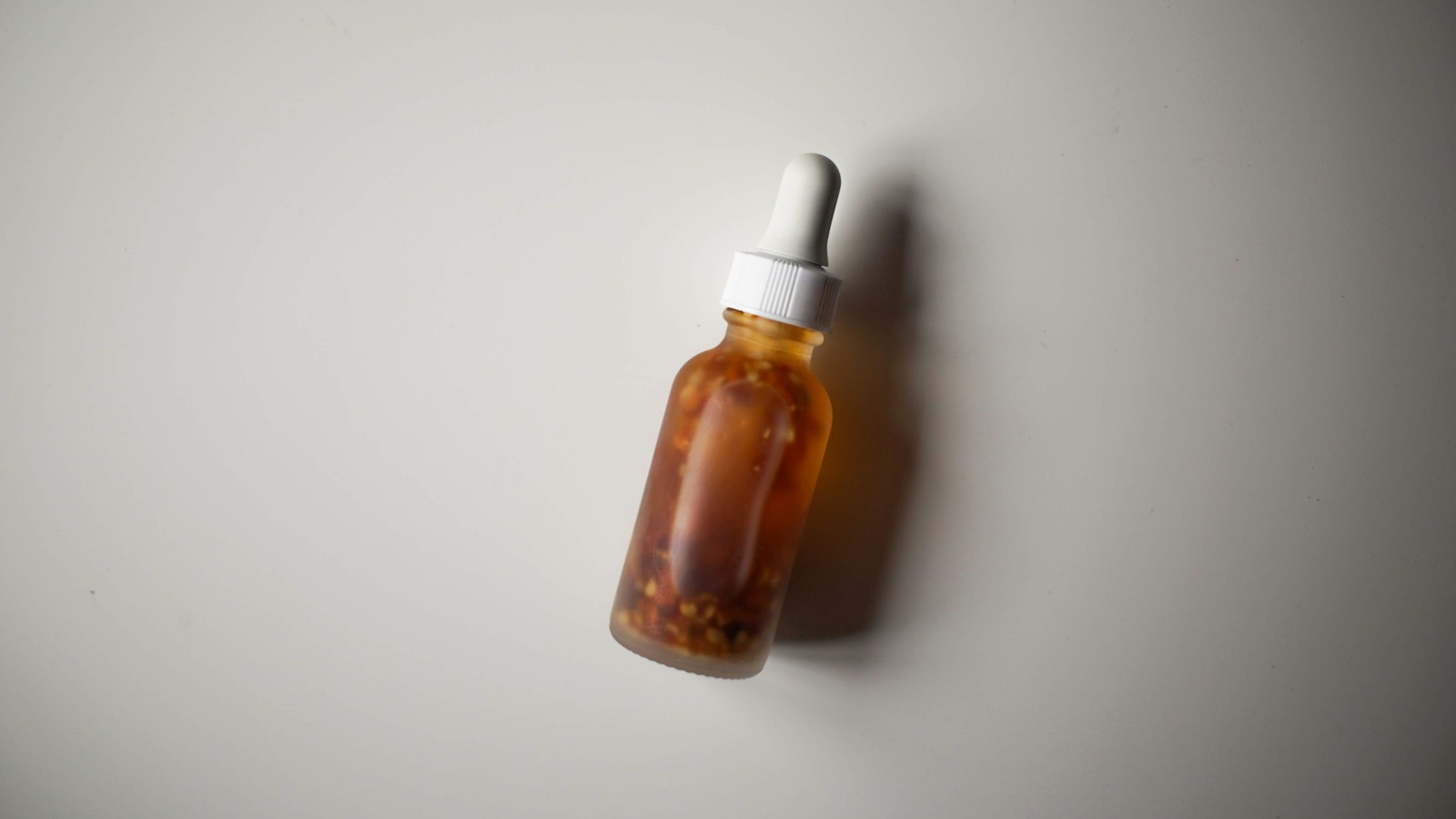
The Harmonify Methylene Blue Solution is a 60 mL (2 FL OZ) liquid sold as a “High Purity Formula” at $19.99, down from a listed $33.99 regular price. The page does not state the concentration as a percentage, nor how many mg sit in a drop or a mL. If you buy it, the label on the bottle is the place to confirm the strength before you measure a serving.
The Harmonify Methylene Blue Gummies lead with “2500mg” on the front of a 60-count bottle, in blueberry flavor, sugar-free, gluten-free and non-GMO. The page says the product is lab tested and markets a purity percentage, but it does not link a certificate of analysis. It also does not clearly state the mg of methylene blue per gummy, so the per-gummy amount should be checked on the label. The page does not say whether “2500mg” refers to the whole bottle or to each serving.
Dose and label clarity
The single most useful number on any methylene blue label is mg per serving. It is the number that lets you follow a plain routine, compare one brand with another, and avoid taking more than you intended. Our guide to how many mg of methylene blue per day walks through why the per-serving figure matters more than a whole-bottle total.
This is where the Harmonify pages leave work for the buyer. The gummy bottle markets 2500 mg across 60 gummies, which does not tell you the amount of methylene blue in one gummy. The liquid page omits the concentration entirely. Neither gap is a defect on its own, but together they mean you cannot confirm a serving from the product page alone.
NooBlue takes the opposite approach. Every format states its dose: 10 mg per gummy, 5 mg per capsule, and 1% drops at 10 mg per mL. You can read the serving off the label and match it to the suggested use without arithmetic.
Price per serving compared
Harmonify’s gummies work out to about $0.37 per gummy at the $21.99 list price. That is an illustration from the live price, and it counts gummies, not confirmed mg, because the per-gummy dose is not stated. The liquid at $19.99 cannot be priced per mg at all without a stated concentration.
NooBlue prices per serving instead. The gummies run $0.83 per serving at $49.99 for 60, the capsules $0.63 per serve at $37.99 for 60, and the drops $0.30 per serve at $29.99 for 100 servings. The dose per serving differs across these formats, and for Harmonify it is unstated, so a straight dollars-per-mg comparison would be guesswork.
What the price gap buys, in our view, is certainty: a stated mg figure on the label, a published ingredient-lot heavy-metal result on the raw methylene blue (CTLA report 135621 on ingredient lot 2025022801: cadmium 0.010 ppm, with arsenic, mercury and lead each below 0.001 ppm, an ingredient-level test), and gummies that avoid the blue mouth and tongue that liquid drops can leave behind.
See the NooBlue gummies · $49.99Harmonify methylene blue vs NooBlue: which fits you
Both brands sell gummies and liquids. The differences sit in label detail and focus. Choose by what you need:
- You want the lowest entry price. Harmonify’s $19.99 liquid and $21.99 gummies are the cheapest way to try methylene blue from either brand.
- You want the dose stated per serving. NooBlue prints 10 mg, 5 mg or 10 mg/mL on every format, so the serving is never a calculation.
- You hate a blue mouth. NooBlue gummies avoid the blue tongue and lips that drop formats, including Harmonify’s liquid, can cause.
- You want published testing detail. NooBlue lists the ingredient-lot heavy-metal numbers above. Harmonify markets a purity figure but the page shows no certificate of analysis.
- You want a methylene blue specialist. NooBlue makes methylene blue in three formats. Harmonify sells it alongside a long list of other supplements, and other methylene blue brands are covered in this methylene blue reviews roundup.
- You are comparing gummy brands. The methylene blue gummies comparison places NooBlue against the other gummy options we have reviewed, including Truehealthic and Holistic MD.
What the research says about methylene blue
The clearest human evidence is a small single-dose study. Rodriguez and colleagues ran a randomized, double-blind, placebo-controlled fMRI trial in 26 healthy adults aged 22 to 62, published in Radiology in 2016. A single low oral dose of methylene blue changed brain activity during sustained-attention and short-term-memory tasks one hour later (PubMed). It is early work in a small group, not proof of a routine benefit.
Mechanistically, methylene blue is studied for its role in cellular energy production, which is why brands describe it as supporting mitochondrial energy and focus. The honest reading: promising early human signals, a long history of lab research, and no established daily-use consensus for healthy adults. Anyone weighing a daily habit should read the safety section below and the dose guide before choosing a serving.
On safety, the enzyme interaction is real and well documented in the literature. Methylene blue is a potent reversible inhibitor of MAO A, which explains the serotonin-toxicity reports when it is combined with SSRI medicines (PubMed), and a 2018 review in Psychosomatics collected case reports of methylene-blue-associated serotonin syndrome (PubMed). That is the core of the interaction section below.
FAQ
Is Harmonify methylene blue legit?
Harmonify is a real supplement store with a live methylene blue line sold at low prices in two formats. The caveats are on the label side: the liquid page omits the concentration, the gummy page does not state mg per gummy, and the gummy page does not link a certificate of analysis. If those details matter to you, check the bottle label or pick a brand that publishes them, as NooBlue does across all three formats.
How much methylene blue is in Harmonify gummies?
The product page does not clearly state the mg of methylene blue per gummy. The front of the bottle markets 2500 mg across a 60-count, which the page does not explain per serving, so check the supplement panel on the physical label for the per-gummy serving before you take one.
How long does methylene blue stay in your system?
The most visible trace is the color. Methylene blue can turn urine blue or green, and that color can persist for a day or more after a serving. How long the compound itself remains varies with the person, the dose and the format, which is why no single number fits everyone. If you are tracking it for a medical test, ask your doctor how long to pause before the appointment.
Is methylene blue hard on the kidneys or liver?
We do not make organ claims, and no figure in this review speaks to kidney or liver load. What the literature does establish is the serotonergic interaction, which matters most for people on prescription medicines. If you have a kidney or liver condition, or you take any daily prescription, talk to your doctor before adding any methylene blue product, Harmonify or NooBlue, to your routine.
What happens if you take methylene blue every day?
Nobody has established a daily-use standard for healthy adults, so the practical answer is to follow the label serving on whichever product you buy. NooBlue suggests one gummy (10 mg) or one capsule (5 mg) daily and says do not exceed the suggested serving. Urine may stay blue or green while you take it. Keep the serotonergic-medicine rules below in mind every day you take it.
Why do people feel good on methylene blue?
The plausible mechanism is cellular: methylene blue is studied for its role in the energy machinery inside cells, which is why brands say it supports mitochondrial energy and focus. A small fMRI trial found changed brain activity on attention and memory tasks after a single dose. Mood and motivation are subjective, so treat any felt benefit as personal, not a settled finding.
Where can I buy NooBlue?
Direct from nooblue.com. The three formats are the 10 mg gummies, the 5 mg capsules and the 1% drops. Every product page shows the price.
Does Harmonify sell other supplements?
Yes, and that context matters when you judge the brand. Harmonify’s catalog runs from NAD+ and urolithin A to magnesium threonate, gummies, pet drops and shilajit. Methylene blue is one line among many. A generalist store is not a defect, but on these product pages the label detail is thinner than NooBlue’s.
The bottom line
Harmonify methylene blue is a cheap way to try the category: $19.99 for a 60 mL liquid or $21.99 for 60 gummies, both in stock from a general supplement store. The trade is label clarity. The liquid page omits its concentration, the gummy page never states mg per gummy, and the gummy page does not link a certificate of analysis, so the buyer does the verification.
NooBlue is our pick because every one of those open questions is answered on the label. The gummies state 10 mg of methylene blue per gummy with vitamin C in the formula, the capsules state 5 mg, and the drops state 1% at 10 mg per mL, with the ingredient-lot heavy-metal result published as numbers. NooBlue makes these products.
It is our pick for anyone who wants the serving printed, not calculated. The broader field is in the brand hub, and wider options are in our mitochondrial support supplements guide.
Before any first serving, read the safety notes below. They apply to every brand in this review, ours included.
Safety notes before you take methylene blue
Methylene blue interacts with serotonergic medicines. Do not combine it with SSRIs, SNRIs, MAOIs or other serotonergic medicines, because the combination is linked to serotonin syndrome risk in the literature. Talk to your doctor first if you take any prescription medicine daily, and mention every supplement you use.
Do not use methylene blue if you have G6PD deficiency. Avoid it during pregnancy or breastfeeding, and do not give it to anyone under 18. Expect your urine to turn blue or green.
That is the compound passing through and is not a problem by itself. If you notice anything unexpected after a serving, stop and ask your doctor.
This article is for general information only and is not medical advice. It does not replace a conversation with a qualified health professional about your medicines, history or circumstances.
Sources
- Harmonify Methylene Blue Solution 60 mL, product page
- Harmonify Methylene Blue Gummies 2500mg, product page
- Rodriguez P et al. Radiology. 2016. Randomized, double-blind, placebo-controlled fMRI trial, 26 healthy adults.
- Ramsay RR et al. Br J Pharmacol. 2007. Methylene blue as a reversible inhibitor of MAO A.
- Zuschlag ZD et al. Psychosomatics. 2018. Serotonin syndrome case report and literature review.